
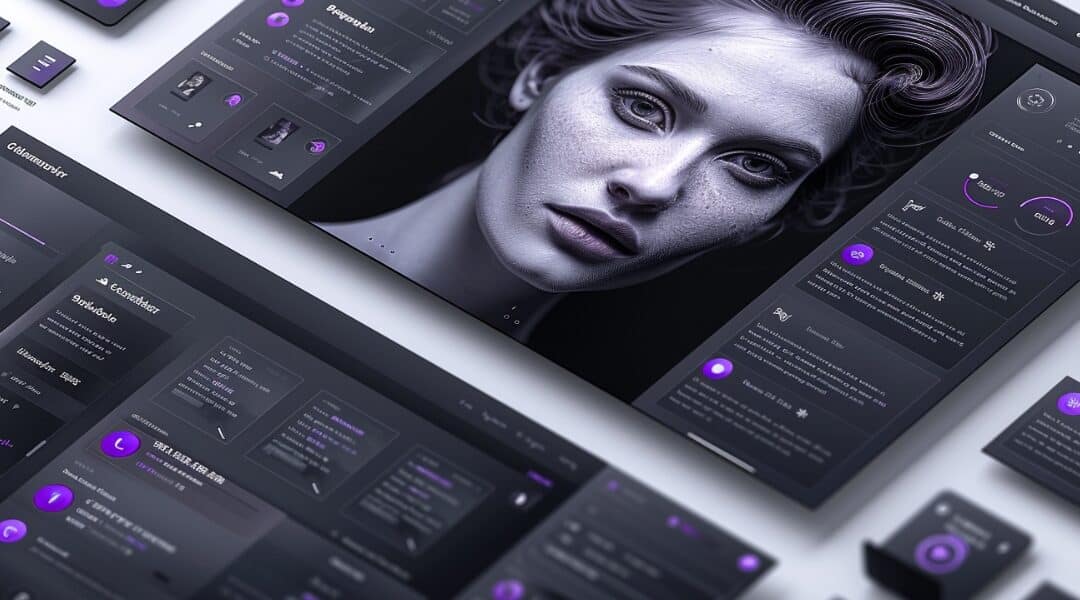
How to create an AI Influencer? What is an AI influencer anyway? These are virtual characters generated by artificial intelligence, but a few years ago they were a curiosity on the border of digital art and technology. Today, in 2025, they are becoming a full-fledged trend in marketing, advertising and social media. It’s not just a gadget, but a real business tool that is starting to compete with live influencers. Companies see great potential in them: they are always available, predictable, they don’t have bad days, and their image can be fully controlled.
The biggest strength of AI influencers is that they can be perfectly tailored to the brand’s needs. You can create an image of a girl next door, an exclusive model, or a gaming streamer – it all depends on who you want to attract to your product. Such characters don’t age, they don’t need travel budgets or expensive outfits – everything is created digitally, using generative algorithms. Importantly, communities are reacting to them more and more naturally. For younger audiences, raised in the world of TikTok and computer games, the line between what is real and what is virtual is becoming less and less clear.
The year 2025 is also the time when brands are starting to face a crisis of trust in classic influencers. Fake followers, bought likes or moral controversies can destroy a brand’s reputation in an instant. An AI influencer eliminates this problem – her statistics and engagement can be built from scratch in a transparent way and without the risk of mishaps. This is why more and more companies are experimenting with virtual ambassadors, and AI influencers are appearing in campaigns of the largest fashion, beauty or technology brands.
How is Pykaso AI a game-changer in marketing and social media?
Compared to many avatar creation tools, Pykaso AI stands out because it was designed not only as a graphics generator, but as a complete environment for building an AI influencer image from scratch. This is not an ordinary character creator – it is a platform that allows you to carry out the entire process: from generating the appearance, through content creation, to integration with social media.
The biggest advantage of Pykaso AI is the ease of creating materials that look like professional photo sessions or video recordings. In a few minutes, you can generate realistic shots that can be easily posted on Instagram or TikTok. In addition, there is a personalization option: an influencer created in Pykaso AI can have her own style of clothing, characteristic facial expressions, hairstyle, and even tone of speech. This makes it stop being just a picture and start functioning as a real persona on the Internet.
For marketers, the key is that Pykaso AI also supports content automation. The tool can create ready-made posts, suggest hashtags, and even prepare advertising content tailored to the audience. In practice, this means that instead of a team of graphic designers, copywriters and photographers, all you need is one platform that generates complete visual and textual communication.
This is a game-changer, because in 2025, content has become a currency – the faster you can produce and test it, the more competitive advantage you gain. Pykaso AI gives marketers the ability to create hundreds of versions of creatives in a short amount of time, analyze audience reactions, and scale campaigns at no additional cost. Thanks to this, AI influencers are no longer just an experiment and become a real tool for building reach and sales.
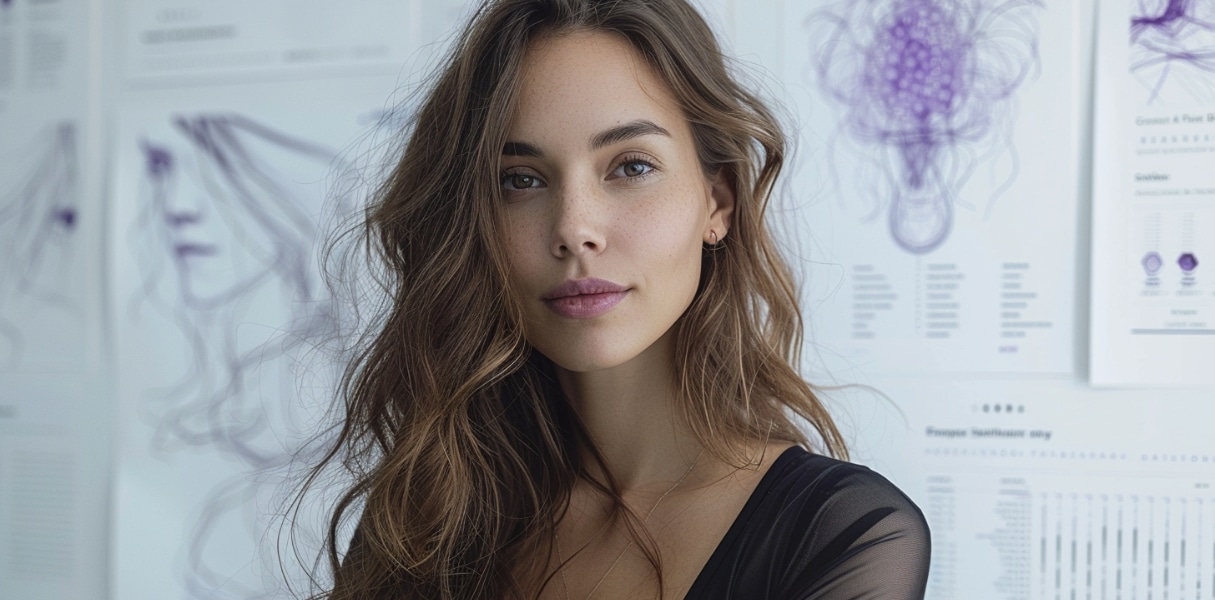
How to Create an AI Influencer – The Basics
Creating your own AI influencer is a process that combines creativity, technology, and marketing strategy. Contrary to appearances, it is not only about generating a nice computer character, but about designing a virtual person who has a chance to become a recognizable brand on social media. To understand how to create an AI influencer step by step, you first need to know exactly how it differs from regular avatars or 3D characters used in computer games.
What is an AI influencer and how is it different from virtual avatars?
An AI influencer is not just a graphic or animation, but a full-fledged digital personality whose image and content are generated and managed by artificial intelligence. A classic avatar is usually a one-off graphic design – a static image, illustration or 3D model created for games or applications. Such an avatar does not have a narrative, a story, or the ability to conduct a dialogue with the audience.
An AI influencer works differently. This is a character that can be developed like a real internet creator – give him a name, lifestyle, values, character, and then run his social media profiles. With the support of artificial intelligence, an AI influencer can generate consistent video content, photos, descriptions, and posts. Moreover, it can respond to fan comments and create an engaging interaction. This makes the audience start treating her almost like a real person, even though there is an algorithm and a creative team behind her actions.
The scale also makes the difference. An avatar is usually a one-person graphic design, while an AI influencer becomes a living brand: she runs channels on Instagram, TikTok, YouTube or other services, and her activities are aimed at building a community, advertising collaborations and real sales results.
What opportunities does Pykaso AI offer in creating characters and image?
This is where Pykaso AI comes in, a tool that sets a new standard in creating digital influencers. Its advantage is that it is not limited to just generating the appearance of the character, but allows you to design a complete image of the digital personality.
Pykaso AI gives you access to features that were not so long ago reserved for graphic studios and CGI specialists:
-
Generate realistic faces and silhouettes – the user can choose facial features, eye color, hair color, body shape, and other physical features, creating a unique character that fits the target audience.
-
Styling and fashion – the tool offers personalization of clothing, accessories, hairstyles or makeup, thanks to which the AI influencer can be constantly “up-to-date” and tailored to current fashion trends.
-
Creating emotions and facial expressions – this is a key element of authenticity. Pykaso AI allows you to generate photos and videos in which a character expresses different emotions, which increases its credibility.
-
Narrative and personality – the image of an AI influencer doesn’t end with appearance. Thanks to integrations with copywriting AI, you can give it a character, a way of communication, favorite activities and values that will become the foundation of its presence in social media.
-
Automatic content generation – lifestyle photos, professional fashion sessions, and even videos can be created without the need to organize a real photo session.
With these features, Pykaso AI becomes not just a graphic creator, but a complete environment for creating a digital personality. This means that anyone – from a small entrepreneur to a large brand – can create their own AI influencer to represent their products or services.
In practice, this means a new level of marketing – brands can test different images, communication styles and types of content before deciding on a long-term campaign. AI influencers created in Pykaso AI are not limited by time or budget – they can operate 24/7 while simultaneously posting content on multiple platforms. This is why it is increasingly said that AI influencers are not just a trend, but the future of advertising and social media.
Step-by-step: how to create an AI influencer in Pykaso AI
The process of creating an AI influencer in Pykaso AI is designed to be intuitive and accessible to both professional marketers and people who are just starting out with AI tools. Thanks to simple settings, you can design a full digital character in a few dozen minutes, which will then become a content creator in social media. Below you will find a detailed step-by-step guide.
1. Registration and initial setup
The first stage is to create an account with Pykaso AI. Registration is standard – just enter your email address and choose a subscription plan. Already at this stage, it is worth considering what we are creating an AI influencer for: whether she is to be a clothing brand ambassador, a lifestyle content creator, or perhaps the face of a beauty campaign. In the settings panel, you can choose basic preferences for content type, target platforms (Instagram, TikTok, YouTube), and frequency of publication.
2. Appearance Selection – Face and Silhouette Generation
The most important stage is to generate the appearance of the character. Pykaso AI uses advanced generative models to create realistic faces and silhouettes. The User decides on:
-
facial features (shape of eyes, nose, mouth),
-
skin and hair color,
-
body proportions,
-
age and general style.
Importantly, you can create several variants and test them before choosing the final version. A well-chosen appearance of an AI influencer is the key to making recipients identify with her image and treat her as an authentic character.
3. Personalization – style, clothes, background and emotions
The next step is to give the AI influencer a unique style. Pykaso AI allows you to choose not only clothes or makeup, but also the scenery in which photos and videos are taken. You can choose whether your character will perform in a minimalist interior, an exotic location, or in everyday situations – at the gym, in a café, on vacation.
In addition, Pykaso AI gives you the ability to set emotions and facial expressions. Thanks to this, the created persona does not look artificial – it can smile, express surprise, enthusiasm or thoughtfulness. This gives it a human touch and makes the content more engaging.
4. Adding personality and character to the AI influencer
An AI influencer isn’t just an image – it’s also a personality. In Pykaso AI, you can configure the character character, i.e. their way of communicating and narrating in social media. The user selects:
-
tone of speech (professional, friendly, funny),
-
interests and passions (fashion, fitness, travel, technology),
-
values and lifestyle (eco, luxury, minimalism).
Thanks to integrations with AI copywriting modules, the character can create consistent descriptions, respond to comments, and conduct conversations as if they were a real person. This is what distinguishes an AI influencer from regular avatars – she has a character that can be built and developed.
5. Creating content – photos, videos, social media posts
The final stage is content generation. Pykaso AI automatically creates high-resolution photos, short videos, and ready-made posts that can be published immediately on social media. All you have to do is choose a format (e.g. a vertical video for TikTok or a horizontal photo for Instagram) and the system will generate the material itself.
Additionally, the tool supports post scheduling and performance analysis. This allows you to test different content styles, check your audience’s reactions, and optimize communication. In practice, this means that one person with access to Pykaso AI can manage an entire digital influencer as if she were a real web influencer.
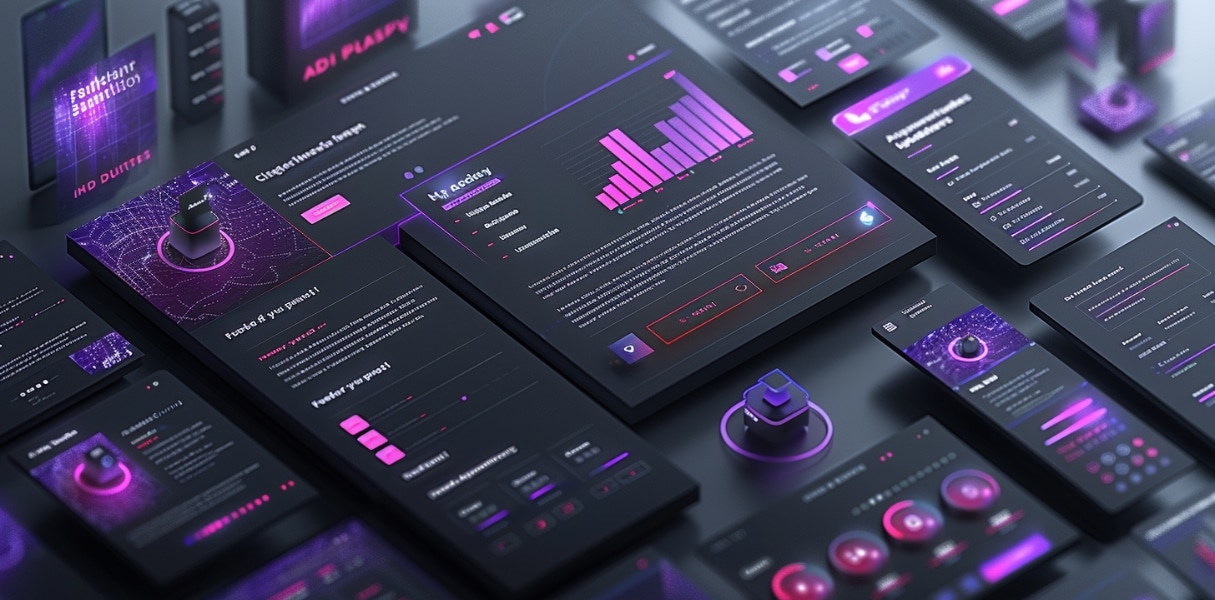
Integrations and automation
One of the biggest advantages of Pykaso AI over classic graphics tools is the ability to integrate directly with social media. Thanks to this, you don’t have to manually export content, adjust formats, or worry about optimizing for Instagram or TikTok’s algorithms. The platform itself adapts photos, videos and descriptions to the requirements of a specific social network.
How to connect Pykaso AI to Instagram, TikTok, and YouTube?
The integration process is quick and simple. In the Pykaso AI settings panel, you can add your social media profiles, authorizing them in the same way as with campaign management tools (e.g. Meta Business Suite or Hootsuite). Once the accounts are linked, the system allows:
-
Publish the generated photos and videos directly to Instagram, TikTok and YouTube,
-
adjust content formats (stories, reels, shorts, feed),
-
Analyze engagement statistics such as likes, comments, and reach.
This makes Pykaso AI act as a full-fledged social media manager for the AI influencer, eliminating the need for many different apps.
Automatic post generation and publication schedule
The biggest advantage of an artificial influencer is that she doesn’t need sleep, rest or a free weekend. Pykaso AI allows you to create a publication schedule even several weeks ahead. Simply set your post frequency, publication times, and distribution channels, and the tool will automatically generate and publish your content.
This solution gives marketers great flexibility – they can test different publishing strategies (e.g. daily posts on TikTok and 3 times a week photos on Instagram) and then optimize the entire process based on analytical data.
How to monetize an AI influencer?
The presence in social media itself is just the beginning. The most important question is, how to make money from an AI influencer? Pykaso AI gives you several proven monetization paths.
Advertising collaborations and affiliations
The most obvious way to make money is to establish partnerships with brands. An AI influencer can promote products in posts, reels, or shorts just like traditional influencers. Its advantage lies in the fact that it will never make an image mistake and will always be faithful to the advertising brief.
The second way is through affiliate marketing. You just need to add affiliate links to your posts or video descriptions to earn a commission on your sales. An AI influencer will be great for promoting digital tools, mobile applications or fashion products, where aesthetics and frequency of publication matter.
Creating your own products and online courses
More and more brands are deciding that an AI influencer not only advertises other people’s products, but is the face of their own projects. With Pykaso AI, you can create:
-
e-books signed by an influencer,
-
Online courses (e.g., a video taught by her avatar)
-
collections of clothes or accessories sold under her image.
This opens up completely new business opportunities – the influencer becomes an independent brand that can generate income independently of external advertisers.
How to build a community around an artificial influencer?
The most important element of monetization is the community. Without her, even the best-looking AI influencer will not generate income. The key is consistency and authenticity – paradoxically, even in the case of an artificial character.
A few key rules:
-
Regular publications and dialogue with fans – responding to comments, creating surveys, conducting Q&A.
-
Building a narrative – an AI influencer should have her own story, passions, and everyday life that engages the audience.
-
Collaborations with real creators – the combination of the real and virtual worlds always generates additional interest.
-
Exclusive content – e.g. a closed group on Discord or Patreon run by an AI influencer.
Community is the foundation – it is what makes the AI influencer stop being just a “computer picture” and become a full-fledged social media star.
How to Create an AI Influencer – Common Mistakes
Even though creating an AI influencer with the help of Pykaso AI seems simple, many people fall into the same traps. Instead of building an authentic image, they end up with a character that looks like a 90s advertisement or an artificial avatar that no one takes seriously.
Unnatural appearance and lack of authenticity
One of the main mistakes is excessive perfection. Too smooth skin, unnatural body proportions, lack of details – all this makes the audience quickly realize that they are dealing with a computer-generated character. Paradoxically, in order for an AI influencer to be credible, she should have minor imperfections – natural facial features, a realistic background, authentic emotions. Authenticity in the digital world is a currency, so the key is to balance between aesthetics and realism.
Too aggressive promotion instead of building relationships
Another problem is treating the AI influencer as a walking (or actually publishing) advertising board. If every post contains an affiliate link or direct promotion of a product, the community will quickly get discouraged. As in the case of real influencers, the most important thing is to build relationships and valuable content – only on this foundation can you sell.
Ignoring ethics and copyright
When creating an AI influencer, you need to remember about legal and ethical boundaries. Using the appearance of real people without their consent, copying other people’s outfits or posting content that does not comply with the platform’s terms and conditions may result in an account ban. Responsible use of tools such as Pykaso AI is not only about protecting against legal consequences, but also about building trust among recipients.
The future of AI influencers
Will AI influencers replace humans?
This question comes back like a boomerang. The answer is simple: not completely, but in many areas they can be more effective. AI influencers have no time or geographical limitations, they don’t get sick and they don’t expose brands to image crises. However, the human factor – real emotions, authentic experiences – will still remain irreplaceable. In practice, we can expect hybrids: campaigns in which AI influencers and real creators will work together, creating even more interesting narratives together.
How to take advantage of a trend before it becomes mainstream?
The year 2025 is the perfect time to enter this world. AI influencers are just starting to gain popularity, and the market is not yet oversaturated. Early implementation gives an advantage – brands can build unique characters that will become recognizable on a global scale over time. It’s like with the first bloggers or youtubers – those who started first are now industry leaders.
How to Create an AI Influencer Step by Step with Pykaso AI?
Creating an AI influencer in 2025 is not just a technological curiosity, but a viable marketing strategy. With Pykaso AI, this process is accessible to everyone – from small businesses to global brands.
Key takeaways and practical tips:
-
An AI influencer differs from an avatar in that she possesses a personality, narrative, and the ability to build a community.
-
Pykaso AI gives you the ability to fully personalize – from appearance, through style, to the nature and method of communication.
-
The key to success is authenticity – content needs to look and sound like it was created by a real creator.
-
Monetization is possible on many levels: advertising collaborations, affiliations, own products and online courses.
-
The biggest mistake is to “sell” too aggressively – the community needs to feel the value and the story before opening their wallets.
-
The future belongs to hybrids – AI influencers will not replace humans, but will become a powerful support in marketing campaigns.
The conclusion is simple: if you’re wondering how to create an AI influencer step by step, now is the best time to give it a try. The trend is just gaining momentum, and tools like Pykaso AI allow anyone to enter the world of virtual creators and use it in business before it becomes mainstream.

